How to Plan a Self-Guided Local Food and Craft Trail
The best food and craft days rarely come from a tour bus. They come from a scribbled map, two phone calls, and a willingness to leave a stop earlier than you'd like. Planning your own route is not complicated, but it does ask for a particular kind of attention: not just where things are, but when they are actually open, how long a visit honestly takes, and how much tasting you can do before the driving becomes a problem. Get those three things right and the rest of the day tends to look after itself.
Choose a Base and Draw a Circle
Start with geography rather than appetite. Pick one compact area — a valley, a handful of villages within roughly half an hour of each other, a stretch of coast — and treat everything outside it as next time. The temptation with local food is to chase a famous cheese maker an hour away and a potter an hour in the other direction. That produces a day spent in the car with a cool bag rattling in the back.
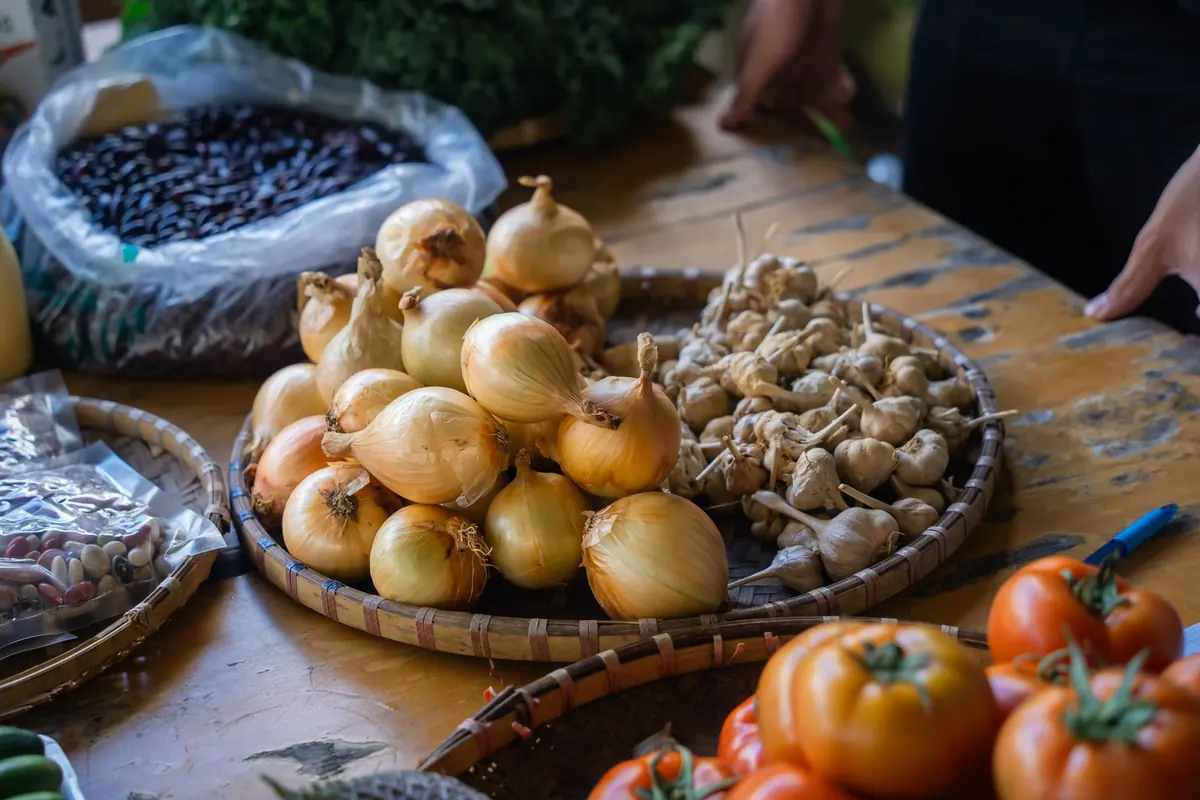
Better: find one anchor. It might be a market town with a Saturday morning market, or a single producer whose work you genuinely want to see. Then build outward. A realistic frame is six or seven stops inside a thirty-kilometre circle, because density is what makes a route feel generous rather than rushed. Six places fifteen minutes apart will always beat eight spread over ninety.
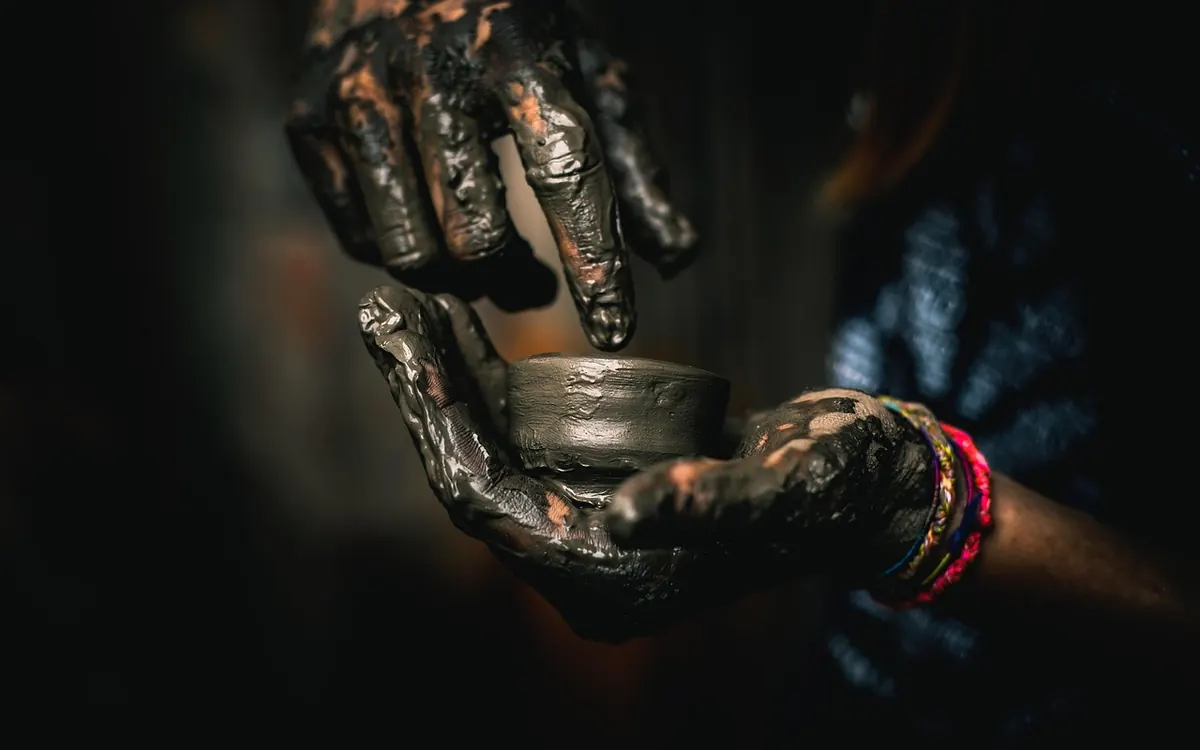
One practical note on craft: studios are often not in the pretty centre. They sit on the edge of town in converted garages, small industrial units or farm outbuildings, which is fine — just don't assume you can stroll from the piazza to a working kiln in five minutes.
Do the Research That a Map Won't Do For You
Opening hours listed online are frequently wrong for small operations, and not because anyone is careless. A two-person dairy that changes its hours with the milking, a weaver who opens only when she is in the studio, a market that moves for a patron saint's day — none of that shows up reliably on a map. Phone. A short call settles more than an hour of scrolling.
Ask specific questions, and keep notes with names and numbers in one place:
- Are you open on the day I'm coming, and until what time?
- Can we visit without booking, or should I arrange a time?
- Is there anything to see of the workshop, or just a shop?
- What is in season or in production that week?
- Is there somewhere to park, and is the last stretch of road suitable for an ordinary car?
- Do you take cards, or should I bring cash?
Seasonality deserves its own line in your notes. Olive oil is pressed in a short window after the harvest; some cheeses are made only when the animals are on fresh pasture; honey appears after a particular flowering and not before. Arriving in the wrong month isn't a disaster, but knowing in advance stops you from planning a day around a door that will be shut.
Order the Day Around Opening Hours, Not Distances
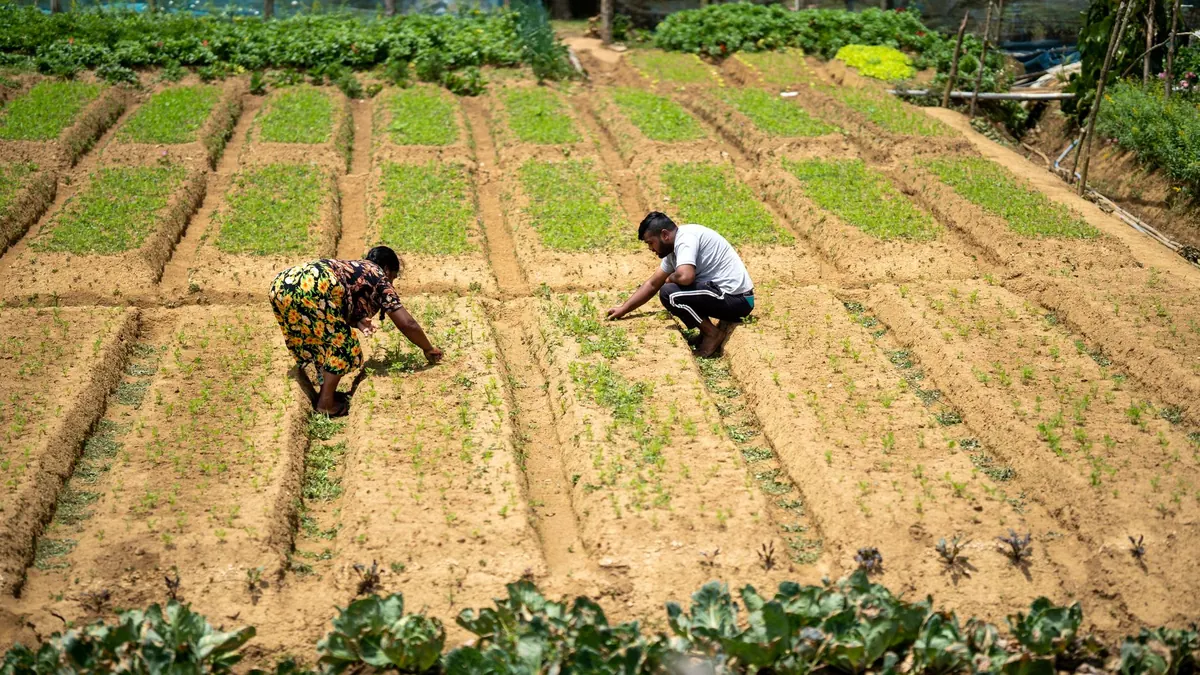
Small producers are morning people by necessity. Milking, deliveries, market stalls and the coolest hours for heavy work all push activity early, and many close or go quiet over midday. Craft workshops tend to run the other way — the maker is often at the bench in the afternoon and answering the phone in the morning.
So the shape of the day almost writes itself: market first, while produce is at its best and parking is still possible; a producer visit mid-morning; lunch; a workshop in the afternoon; one last stop on the way home. Be honest about dwell times. A market takes forty-five minutes to an hour unless you get talking. A farm visit is thirty to forty-five. A workshop with a demonstration runs an hour or more. Lunch, if you sit down properly, is ninety minutes. Then add twenty minutes of slack for every hop between stops, because a road that looks like twelve minutes on a screen is often twenty with a wrong turn.
Keep tastings front-loaded but modest: three before lunch is plenty. And put the longest drive at the start or the end of the day, not in the middle of it, when everyone is hungry and less patient than they were at nine in the morning.
Tasting Stops: Small Portions, Real Conversations
Eat something plain before you set off and carry water and bread. Tasting on an empty stomach flattens your judgement, and by the fourth stop everything tastes intense and indistinguishable.
Ask for small portions and say so. Most producers would rather give you a sliver and answer a question about how it was made than watch a plate go back half-eaten. Buy something, even something small — a jar, a wedge, a bag of flour. It is the fair exchange for half an hour of someone's working day, and it is also how these places stay open.
If you are driving, keep the drinking to a taste and no more, share a glass between two people, or appoint a driver who abstains. Rules on alcohol and driving vary by country and are enforced; check the local limit rather than assuming, and be more conservative than you think you need to be. A cool bag in the boot is worth the bother — cheese and cured meat do not enjoy a warm afternoon in a parked car.
Basic manners go a long way: don't turn up at half past twelve unannounced at a farm, send a message the day before, and don't treat a working shop as a museum.
Workshops Reward a Different Rhythm
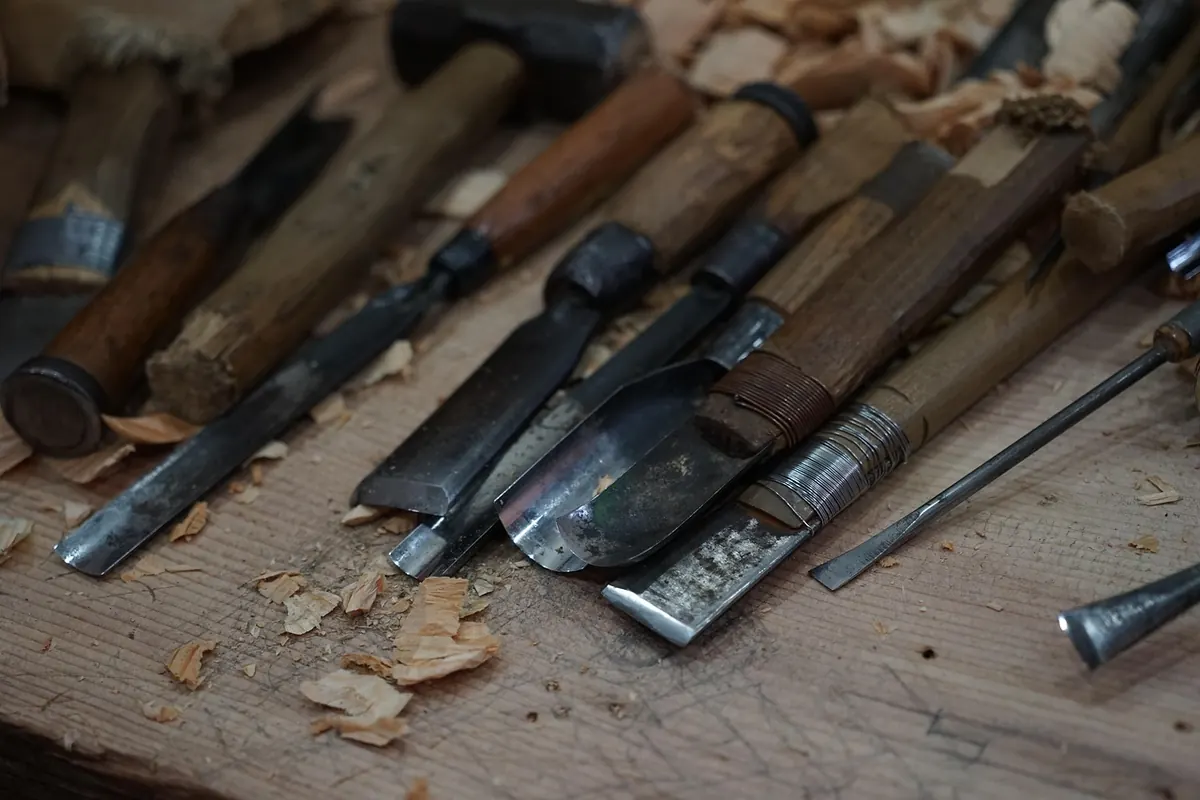
Walking into a potter's studio or a woodworking bench is entering someone's workplace, not a display. Book ahead where you can, and ask what is actually possible: a short demonstration, a look at the kiln, a conversation about the process, or simply browsing what is finished and for sale.
Ask before photographing. Keep children back from machinery, kilns and drying racks, which are hot or fragile or both. Avoid arriving in the last twenty minutes before closing. And remember that many crafts run on slow cycles — firing, drying, curing — so the piece you buy may well have been made weeks ago. If you want to see the whole process, ask when the next firing or open-studio day is and plan around it.
A Sample Route You Can Adapt
- 08:30 — Market. Arrive early, walk the whole thing once before buying, keep a cool bag in the car.
- 10:15 — First producer. A dairy, mill or small cannery; thirty to forty minutes, one tasting, one purchase.
- 11:30 — Second producer. Keep it close by, and keep the tasting light.
- 12:45 — Lunch. Somewhere simple and local, booked if it's a weekend.
- 14:30 — Craft workshop. The booked slot of the day; allow an hour, more if there's a demonstration.
- 16:15 — Optional last stop. A vineyard, an orchard, a second studio — whichever is on the road home.
- 17:30 — Finish. Don't add a seventh stop. The last one always gets rushed.
Adjust the times freely, but keep the order: market, producers, lunch, workshop. It follows how these places actually work.
Practical Closing: Ready for the Day
Ring or message each stop the day before to reconfirm. Screenshot the route and save the phone numbers, because signal in a valley is not guaranteed. Fill the tank the night before, take cash as well as a card, and pack water, a cool bag and something to wipe your hands. Have one backup stop noted for each leg in case a door is shut or a visit runs long — and build in the small mercy of leaving one thing out. A day with six good stops and a conversation you remember beats a day with nine stops and a photograph of a closed gate.
Photo: Surya Travel / Pexels
You Might Also Like
Farmers markets win on freshness and producer contact; specialty shops win on variety, convenience and curation. Here is how to choose the right source for each purchase.
A practical checklist of questions to ask a local artisan about materials, timelines, pricing, and revisions before you commission custom work.