What Does 'Nostrano' Mean on a Local Product Label? A Beginner's Explainer
“Nostrano” looks like one of those words that should settle a question. It sounds like ours, from here, made close by. On a jar of honey, a wedge of cheese, or a paper-wrapped salame, it suggests something rooted in a place. That feeling is exactly why the word appears on so many labels—and why it deserves a closer look before you spend money on it.
The short version: nostrano is an Italian word meaning “of ours” or “local,” but it is not a single, universally regulated certification. Its legal weight depends on the product, the country, and the rest of the label. Sometimes it is a helpful description. Sometimes it is atmosphere. Learning to tell the difference is a practical skill, not a suspicious one.
What “nostrano” literally means
“Nostrano” comes from nostro, “ours.” A baker might call a loaf pane nostrano to mean the local style. A butcher might sell salame nostrano made from a family recipe. It can refer to place, recipe, ingredients, or simply the producer’s own tradition.
That flexibility is the point—and the problem. Unlike DOP (Protected Designation of Origin), IGP (Protected Geographical Indication), or STG (Traditional Speciality Guaranteed), “nostrano” is not an EU-wide protected label with a published product specification and a control body behind it. It can still be subject to general rules against misleading advertising, and some regions or product categories may have their own conventions. But there is no single “nostrano certification” you can look up.
What local labels legally imply—and what they don’t
Label reading gets easier when you separate regulated claims from descriptive ones. Regulated claims usually point to a scheme, a defined area, a method, or an inspection system. Descriptive claims can be true and useful, but they ask you to trust the producer’s explanation.
Claims with a defined framework
- DOP, IGP, STG: EU quality schemes with product specifications and controls. If you see one, you can check what it covers.
- Organic: usually tied to certification and inspection. Look for the certification mark and the operator.
- “Made in Italy” or “Prodotto in Italy”: generally about where a product underwent its last substantial transformation, not where every ingredient was grown. Read the fine print.
Claims that are usually descriptive
- Nostrano: local, of ours, in the local style. Ask what “local” refers to.
- Artigianale: artisan-made. It may describe small-batch methods, but it is not automatically a certified standard.
- Fatto in casa: made in-house. Useful if you know the kitchen; vague if you do not.
- A km zero / filiera corta: short supply chain or local sourcing. These terms can have regional definitions or scheme rules, but they are not one universal radius. Ask which ingredients and which stages are local.
Labeling rules vary by country and by product. If you are a producer writing a commercial label, treat “nostrano” as a claim you must be able to explain, and take professional advice for your market. For shoppers, the practical move is simpler: read the whole label, not just the warm word.
How to tell a meaningful local claim from vague marketing
Meaningful local claims tend to be specific. Vague ones rely on mood. A label that says “nostrano” and nothing else may still be honest, but it gives you no way to check. A label that says “Nostrano: tomatoes grown in [town], pressed in [town]” gives you something to verify. You do not need to become a label lawyer. You need a few good questions.
- Who is telling you? Look for the producer’s name, address, and ideally a place of production. A town or region is more useful than “Italy.”
- What does “nostrano” attach to? Is it the ingredients, the recipe, the processing, or the style? “Nostrano” on a cheese made with milk from elsewhere means something different from cheese made with local milk.
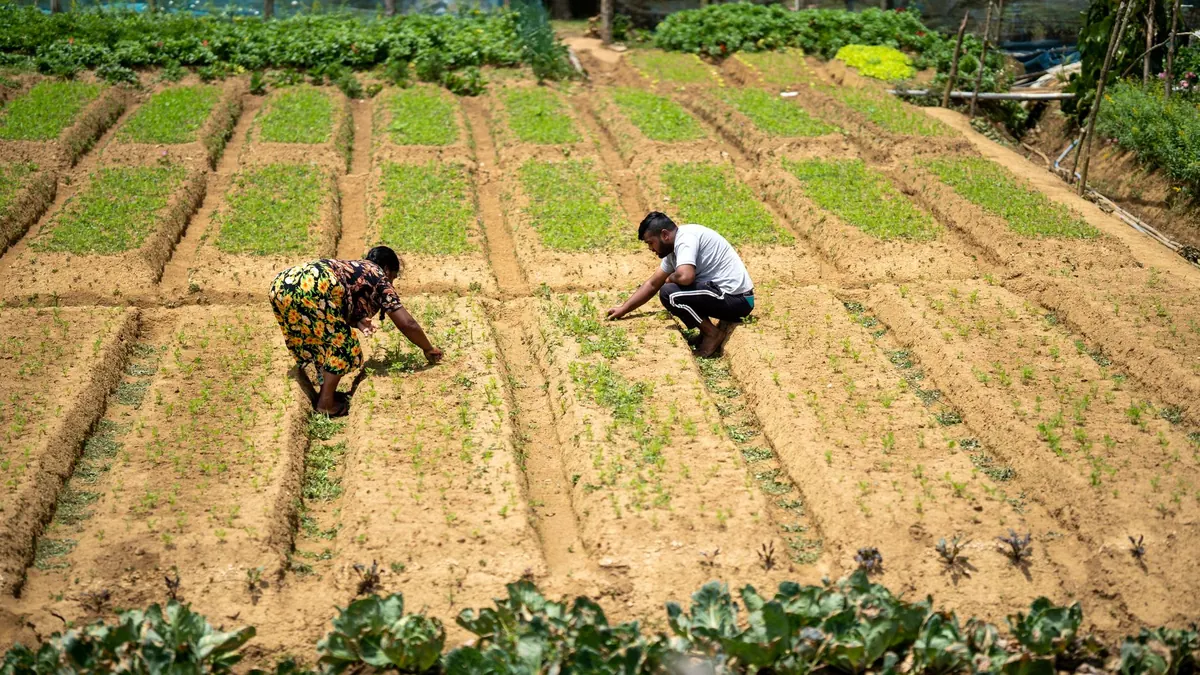
- Which ingredients are local? A tomato sauce may use local tomatoes but imported oil and jars. That can be fine—just do not assume everything is local.
- Is there a scheme or certification? DOP, IGP, organic, a regional mark, or a Slow Food Presidium can add detail. No scheme does not prove a claim is false; it only means the claim rests on the producer’s word.
- Can they explain it? At a market stall or shop, ask: “When you say nostrano, what exactly comes from here?” A clear answer is a good sign. A fog of tradition words is a reason to keep asking.
Three labels where “nostrano” often appears
Cheese
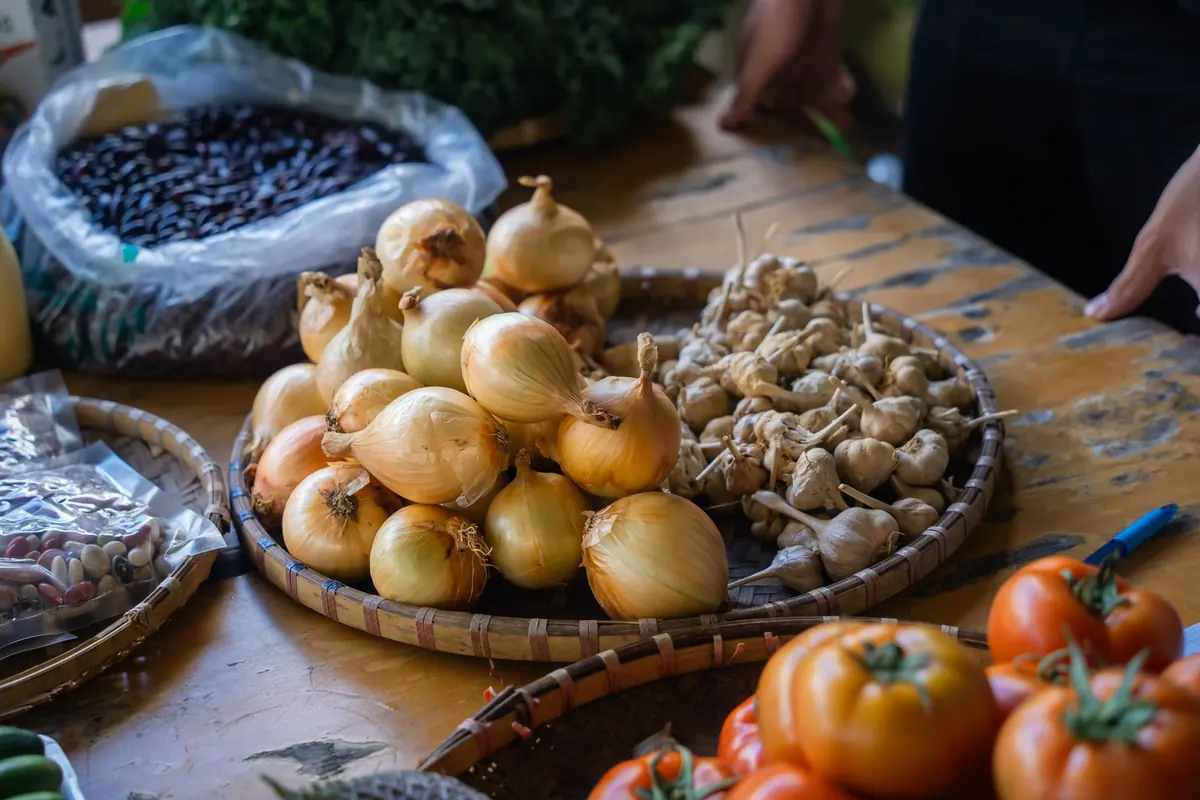
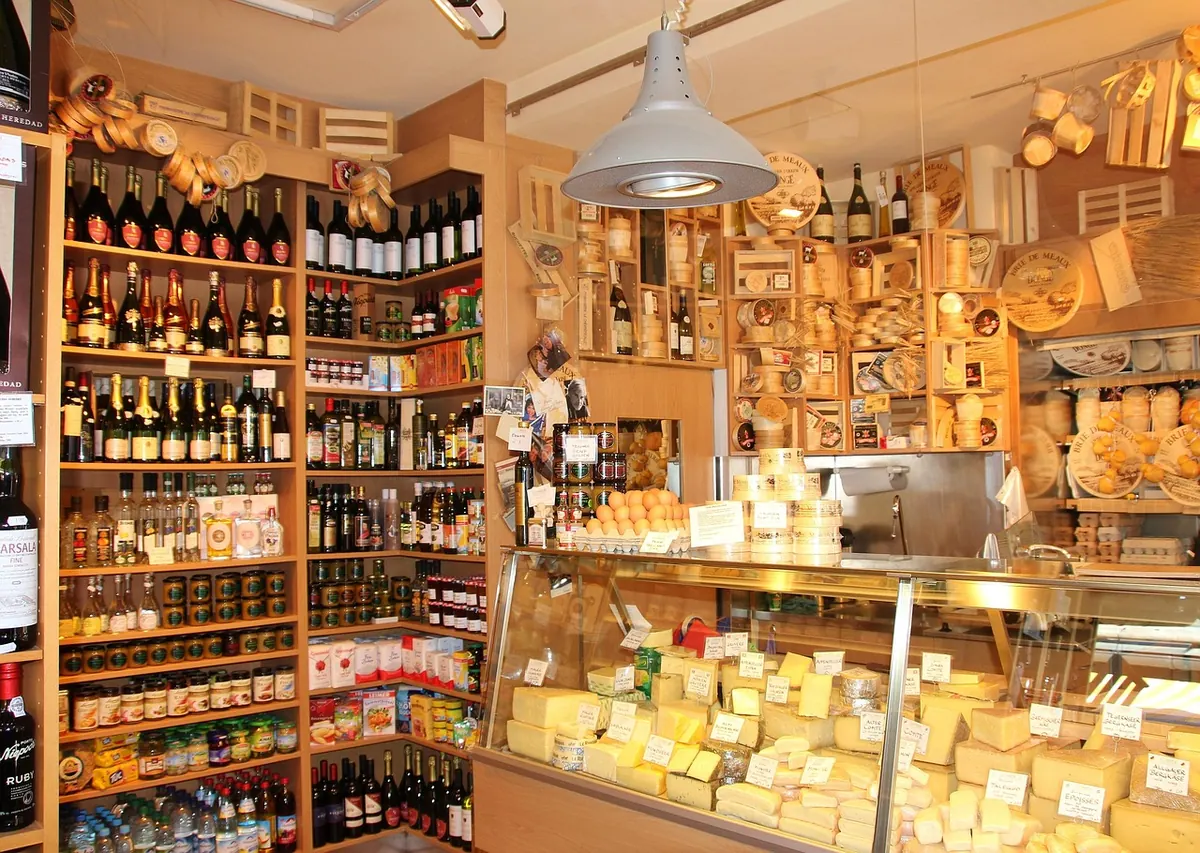
“Formaggio nostrano” might mean cheese made in the local style, cheese made with milk from nearby farms, or cheese made in the same shop. In a mountain area, it may imply local milk and traditional methods; in a city shop, it may simply mean the shop’s own recipe. Look for the milk origin and the place of production.
Cured meats
“Salame nostrano” is often about recipe and seasoning—the local way of making salame—rather than the exact origin of every pig. That is not dishonest, but it is not the same as a protected origin claim. If local pork matters to you, ask.
Olive oil and honey
These products are closely tied to place, so “nostrano” can be a useful clue. Still, check whether the label tells you where the olives were grown and pressed, or where the hives were kept and the honey was extracted. “Nostrano” on the front and a named town on the back is a stronger combination than either alone.
Why producers use the word—and when it helps
“Nostrano” is useful shorthand. It sounds human, it fits a market stall, and it can signal that a product belongs to a local food culture. A small producer may use it because “local” is genuinely how they think about their work. The word becomes more helpful when it is paired with a place name, an ingredient origin, or a method: “Nostrano” plus “milk from farms in the valley” tells a shopper far more than “Nostrano” alone.
For a producer, the safest approach is to use “nostrano” as a starting point, not a substitute for detail. If you mean “made in our workshop,” say that. If you mean “ingredients from within the region,” say that. Clear labels build repeat customers because they answer the question before it is asked.
A short routine
Photo: eendeckel / Pixabay
You Might Also Like
A practical guide to building your own day route through local markets, small producers and craft workshops, with realistic timing, tasting tips and a schedule that survives real life.
Farmers markets win on freshness and producer contact; specialty shops win on variety, convenience and curation. Here is how to choose the right source for each purchase.