7 Common Mistakes to Avoid When Storing Fresh Local Produce
The basket looks superb on Saturday morning: fat tomatoes, a bunch of basil that perfumes the whole car, dark greens still cool from the field. By Thursday, half of it has turned. The disappointment usually gets blamed on the produce, or on the market itself, but most of the loss happens in the first hour at home — in the way we unpack, wash and stack what we bought. None of the seven habits below is dramatic on its own. Together they can shave days off the life of your shopping, and every fix takes less time than the trip back to the stall.
1. Washing everything the moment you walk in
A quick rinse feels responsible. It isn't, at least not yet. Water left sitting on the surface of a leaf or a berry is exactly the environment that mould and soft rot are waiting for, and a closed bag traps that moisture against the skin.
Wash when you're about to eat or cook, not before. There are two sensible exceptions. Roots and leeks arrive with real grit in them, so rinse the mud off, then dry them properly with a clean cloth. Berries that came from a dusty stall can be given a brief dip in a bowl of cold water, but they must be spread out on a towel and left to dry completely before they go anywhere near the fridge.
Dry is the whole point. A salad spinner is the best money you'll spend on this, but a clean tea towel and five minutes of patience works nearly as well.
2. Refrigerating things that hate the cold
The fridge is not a default. Several everyday items lose flavour, texture or both when kept cold, and the damage is permanent — a grainy tomato never comes back.
- Tomatoes. Keep them on the counter, stem side up, out of direct sun. Move them to the fridge only once they're fully ripe and you can't eat them in time, and let them come back to room temperature before serving.
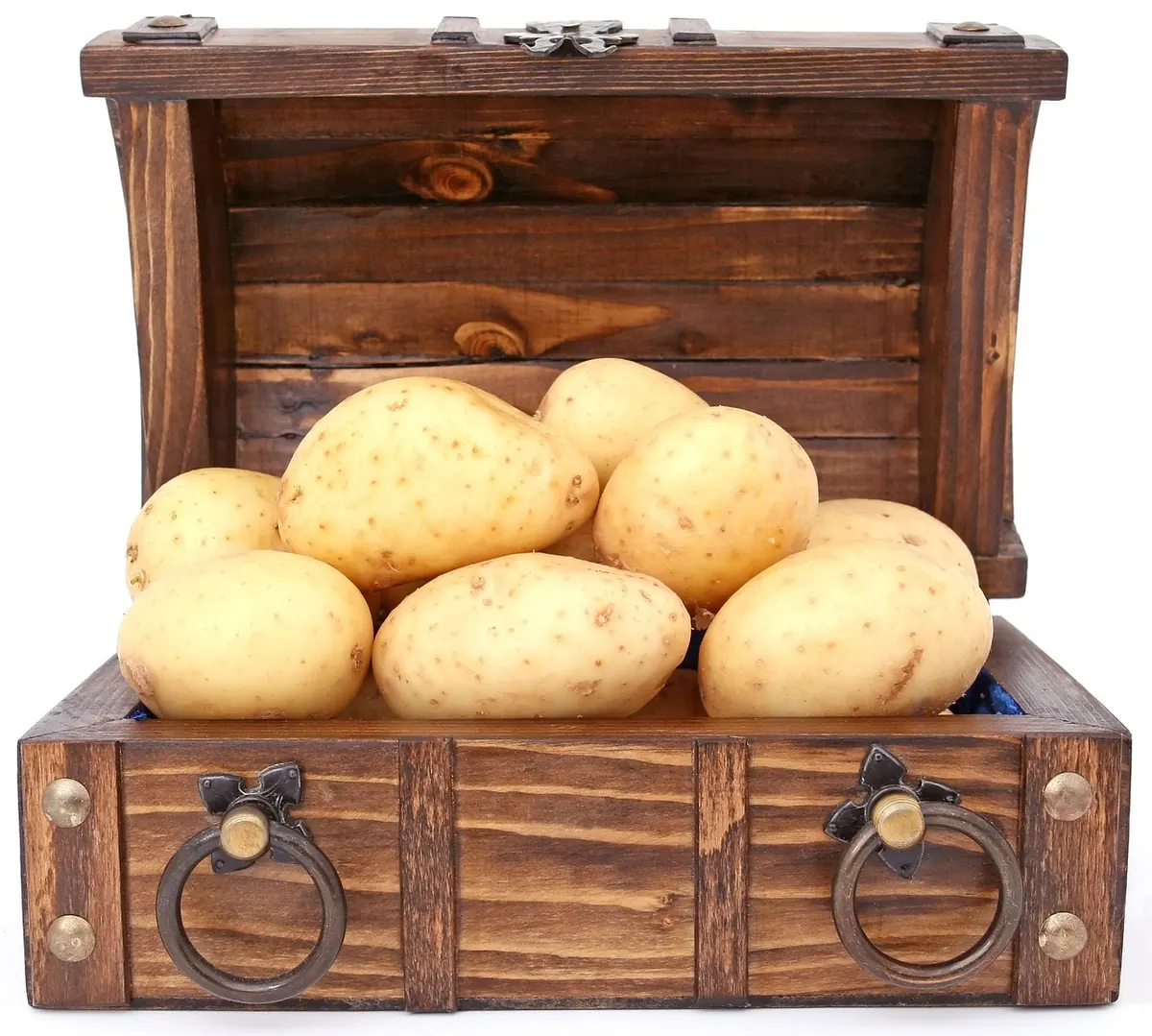
- Potatoes. Cool, dark and ventilated — a paper bag in a cupboard, not a plastic bag and not the fridge, where the cold turns their starch sweet and their texture waxy.
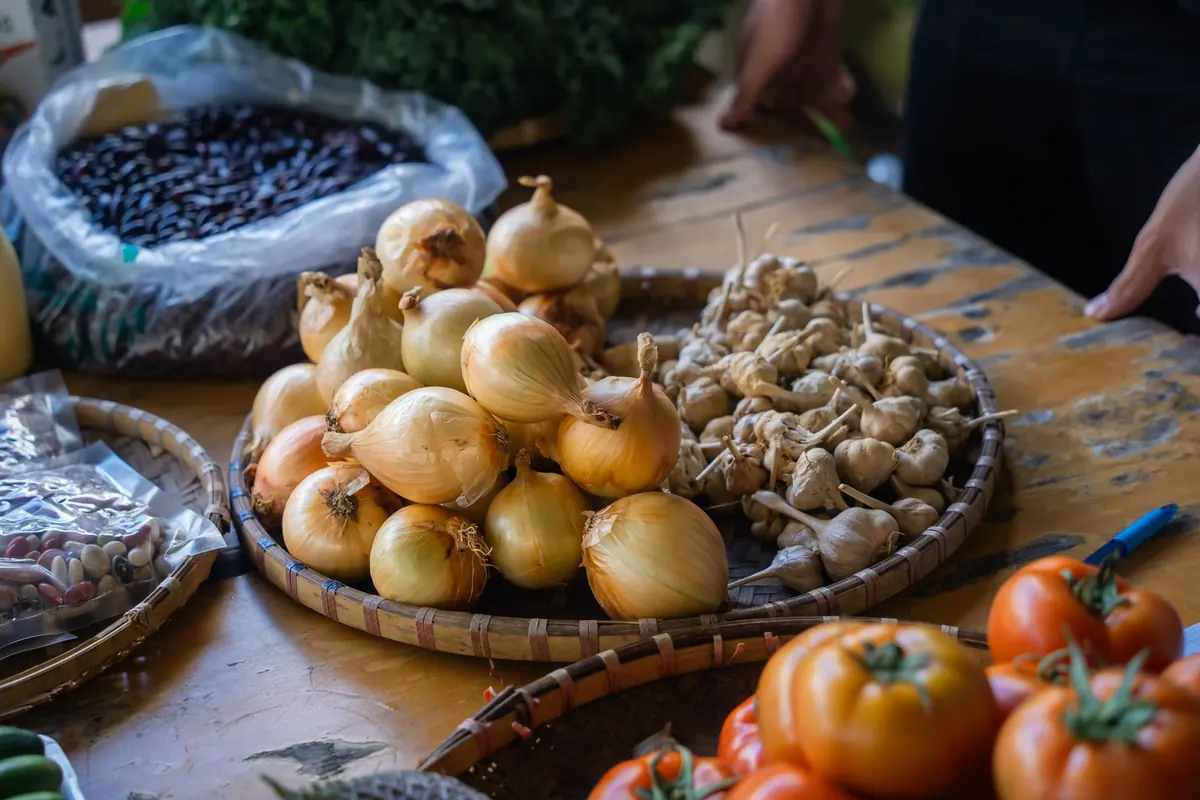
- Onions and garlic. Dry, dark and airy. A mesh bag or a shallow basket is ideal. Keep onions away from potatoes; each makes the other sprout faster.
- Basil. Cold blackens the leaves within a day. Treat a bunch like flowers: stems in a glass of water on the counter, loose bag over the top if you like.
- Winter squash and unripe stone fruit. The counter first; the fridge only after the squash is cut and the fruit has softened.
3. Letting ethylene neighbours share a drawer
Some produce releases ethylene, an odourless gas that speeds up ripening in everything nearby. Apples, pears, bananas, avocados, melons, stone fruit and tomatoes are the usual suspects. Leafy greens, cucumbers, broccoli, carrots and asparagus are the ones that suffer: leaves yellow, cucumbers turn bitter and soft, broccoli flowers open and go limp.
The fix costs nothing. Give the producers a zone of their own — a drawer, a shelf, a bowl on the counter — and keep the sensitive items at a distance. Bananas in particular belong nowhere near a bag of salad.
Used deliberately, the same gas is useful. A ripe banana in a paper bag with a hard avocado will have it ready in a day or two. Just don't leave the pair together once the avocado has given in.
4. Sealing everything in plastic
A tight bag plus a warm fridge equals condensation, and condensation on a mushroom or a lettuce leaf is the beginning of slime. Produce needs to breathe; most of it also needs some humidity. Those two needs are met by the same trick — a loose wrapper and something absorbent.
Mushrooms go in a paper bag, never a sealed tub. Washed and dried leaves go into a container lined with a paper towel, lid slightly ajar, or into a cloth bag. A half-used cucumber or courgette is happier with the cut end wrapped than with the whole thing sealed. If you only have plastic, punch a few holes in it, or leave the bag open at the top.
5. Crowding the fridge and ignoring the crisper controls
An overpacked fridge is a cold, humid traffic jam. Air can't move, cold spots form against the back wall, and the drawer at the bottom becomes a place where things quietly freeze and then rot.
Those little sliders on the crisper are worth using. High humidity suits leaves, herbs, broccoli and cucumbers. Low humidity suits apples, pears, stone fruit and melons, which is why many fridges have a separate fruit drawer. Leave a finger's width between items where you can, and keep the door shelves for condiments, jars and drinks — it's the warmest part of the fridge and the one that swings open most.
6. Leaving the bruised and the overripe in the pile
A single soft berry or a split tomato doesn't stay a single problem. Mould spreads through a punnet quickly, and one overripe pear will hurry everything beside it along.
Sort as soon as you unpack. Check the bottom of the punnet, not just the top, and eat or cook the bruised pieces first. Cut away soft spots generously before cooking; anything already furred should go straight into the bin, not into the compost bowl on the counter. A small box on the middle shelf marked "use first" is a simple system that works better than memory.
7. Winging it with herbs, soft fruit and surplus
These are the three things people most often lose, and they need slightly different treatment from the rest of the shop.
Soft herbs — parsley, coriander, mint — keep well with their stems in a jar of water, loosely covered, in the fridge door. Woody herbs like thyme and rosemary prefer to be dry and loose, in a paper bag or a jar with no water at all. Soft fruit should be stored in a single layer, unwashed, and eaten within a couple of days; anything you won't get through can be frozen on a tray first so the pieces stay separate, then bagged.
For a genuine surplus, cook it. Blanch and freeze greens, roast a tray of tomatoes into a sauce, pickle the extra beans, or make a batch of soup for the freezer. Portion it, label it with the date, and you've turned a storage problem into a future dinner.
A ten-minute routine after the market
The whole routine fits between putting the bags down and making coffee. It's the difference between produce that lasts three days and produce that lasts a week.
- Unpack everything onto the counter and look at it properly.
- Pull out the bruised, the split and the overripe. Set them aside to eat tonight.
- Leave the dirt and the washing for later, except for roots and leeks, which get rinsed and thoroughly dried.
- Sort into three piles: counter, fridge, and cold only once ripe.
- Bag loose leaves with a paper towel, mushrooms in paper, herbs in water or a loose bag.
- Keep the ethylene producers away from the greens, and don't overfill the drawers.
One last thing: if something smells off, feels slimy or shows mould, trust that over any rule on this page. Storage advice keeps food at its best — it doesn't rescue what's already gone.
Photo: Shutterbug26 / Pixabay
You Might Also Like
A practical guide to building your own day route through local markets, small producers and craft workshops, with realistic timing, tasting tips and a schedule that survives real life.
Farmers markets win on freshness and producer contact; specialty shops win on variety, convenience and curation. Here is how to choose the right source for each purchase.