Beginner's Guide to Buying Artisan Cheese Directly from Local Producers
The first time you buy cheese from a small maker, the counter can feel like a test. Unlabelled wheels, a knife on a wooden board, and someone behind it who knows exactly which morning each one was made. Take a breath. That person is usually glad you asked. Buying direct is less about knowing secret vocabulary and more about being curious, tasting carefully, and asking two or three good questions.
Start with Your Senses, Not the Label
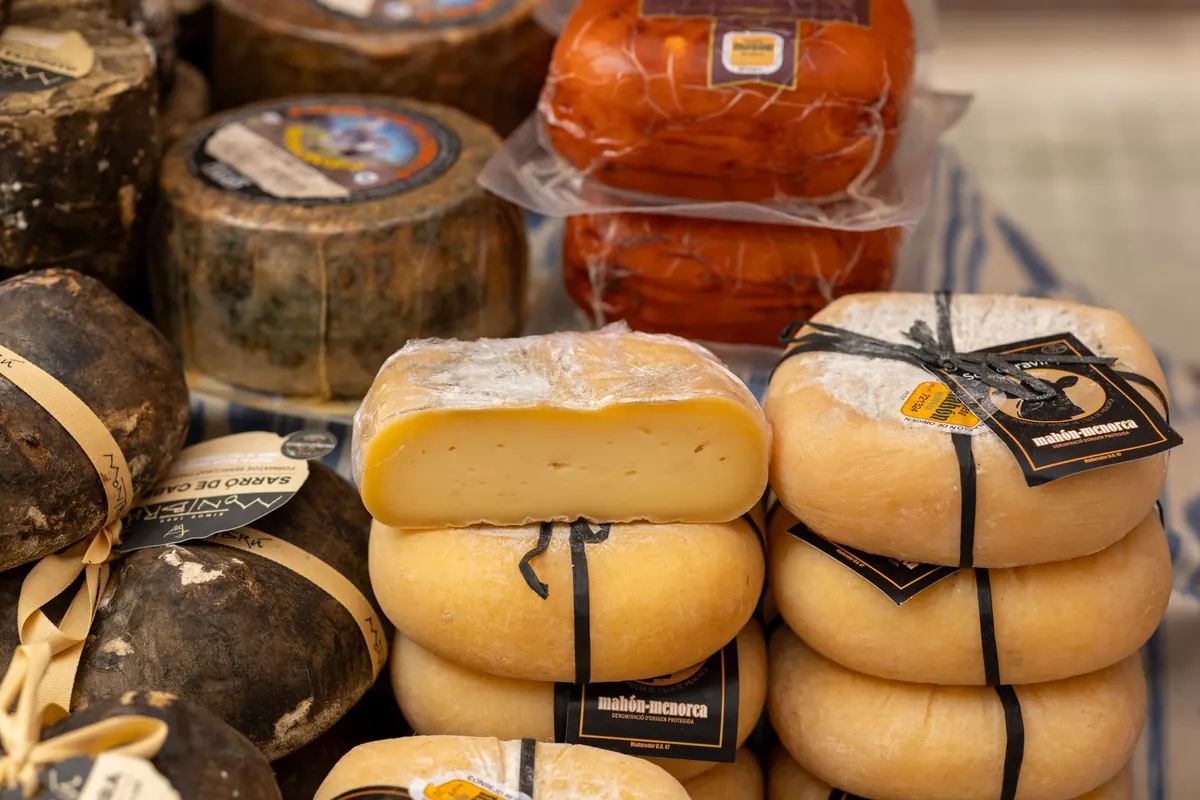
Before you read anything, look. A natural rind should look alive: uneven, slightly dusty, maybe mottled with white or grey. A rind that is cracked, weeping, or slick with grease is telling you something. Cut a wedge and look at the paste — the inside. Ivory and pale straw are both normal, and colour shifts with the season and the animals' feed. Small irregular eyes are fine; a cheese that bulges or smells sharply of ammonia is not.
Smell it. Hay, mushroom, butter, cream, a clean barnyard note — all good. Then ask for a taste. Most small counters will offer one anyway, and nobody minds a second request if you are buying. Taste from mild to strong so you do not flatten your palate early: a fresh robiola first, then a soft washed-rind, then the aged ones. Plain bread and water reset your mouth between bites. Pay attention to the finish — the flavour that stays after you swallow is often where the good cheeses separate themselves.
Ask About the Milk
Milk is the most useful question you can ask, because it explains almost everything else. Which animal, which breed if they know it, and whether it comes from one herd or is collected from several farms. A single-herd cheese tastes like a specific place; a collected-milk cheese is usually more consistent and less distinctive. Neither is automatically better, but you should know which you are buying.
Ask whether the milk is raw or pasteurised. Both are legitimate, and both are sold legally under different rules depending on where you are; the flavour and the risk profile differ. If you are pregnant, feeding a young child, elderly, or immunocompromised, ask before you buy and take advice from a healthcare professional rather than guessing.
Then ask what the animals are eating right now. Winter hay and spring pasture produce genuinely different cheeses, and a maker will enjoy telling you. If rennet matters to you — vegetarians often ask — say so and ask what coagulant was used. Many small producers use animal rennet by default but some use vegetable coagulants for particular cheeses.
Understand Aging Before You Commit
Age is not a quality score. A three-month toma at its peak can be more interesting than a two-year cheese that has dried out. Ask how long it was aged and where: a cellar, a cave, a temperature-controlled room. Ask whether the rind was washed in brine, rubbed with oil, or left alone, because that treatment shapes the flavour as much as time does.
The single most useful thing you can do at the counter is taste two ages of the same cheese side by side. Young, it will be milky and elastic; older, firmer, perhaps crumbly, with a longer savoury finish. That one comparison teaches more than any book. Finish by asking what is at its best right now — small makers know exactly which wheels are ready this week and which need another month.
Nine Questions Worth Asking
- When was this made, and how long has it been aging?
- Is the milk raw or pasteurised?
- Does it come from one herd, or is the milk collected?
- Which animal, and what are they eating at the moment?
- Animal or vegetable rennet?
- Where was it aged, and was the rind treated?
- What is at peak right now?
- How do you like to eat this one — grated, in a pan, with honey, on its own?
- How long will it keep once cut, and how should I wrap it?
Ask three of these, not all nine. A conversation beats an interrogation, and the answers will tell you which maker you want to return to.
Where to Find Small Makers and How to Buy
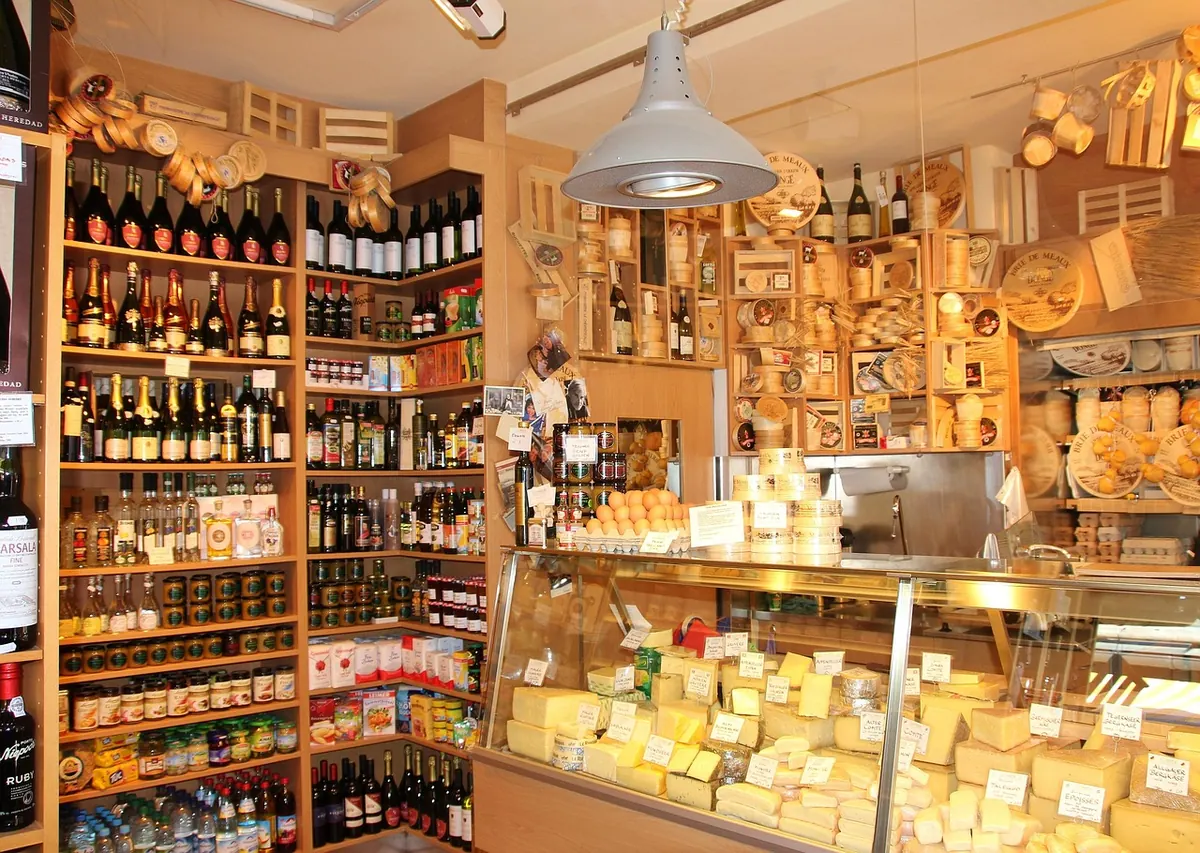
Farm shops, weekly markets, the workshop attached to a dairy, and the occasional agriturismo are the obvious places. Less obvious: a cheesemonger who buys directly from two or three farms, or a buying group that splits a whole wheel between households. If you find a cheese you love, ask when the next batch is made and whether you can reserve one. Many small producers will happily hold a wheel for a regular customer.
Go early. Selection is best in the first hour and the maker has time to talk. Buy smaller quantities than you think you need the first time — two or three pieces rather than half a wheel — and ask for specific cuts, because a wedge from the centre and one from the edge of the same cheese behave differently. Bring a cooler bag in warm weather, especially for fresh cheeses, and keep some cash on hand in case the card reader is not cooperating. Note the make date, not just the day you bought it.
Getting It Home and Serving It Well
Wrap cheese in paper rather than sealing it tightly in plastic; it needs to breathe a little. Keep it in the coolest part of the fridge, away from anything strongly scented, and eat fresh cheeses within days. Take hard cheeses out half an hour before serving so the fat softens and the flavour opens up. Cut what you need and put the rest back rather than leaving a whole piece out for hours. Rinds can go into a soup pot, and the dry ends of a hard cheese are excellent grated.
A Simple First Purchase
Pick three cheeses from one maker: a fresh one, a medium-aged one, and an aged one. Ask for a taste of each, ask two questions — milk and aging — and buy a modest piece of each. Write the maker's name and the make date on the wrapping. Then serve them side by side at room temperature and notice the difference for yourself.
On your next visit, tell the maker which one you liked. That single piece of feedback turns a transaction into a relationship, and it is how you end up with a person who sets aside the good wheel for you before it reaches the counter.
Photo: Joerg Mangelsen / Pexels
You Might Also Like
A practical guide to building your own day route through local markets, small producers and craft workshops, with realistic timing, tasting tips and a schedule that survives real life.
Farmers markets win on freshness and producer contact; specialty shops win on variety, convenience and curation. Here is how to choose the right source for each purchase.