Extra Virgin vs. Cold-Pressed Olive Oil: How to Compare Local Bottles
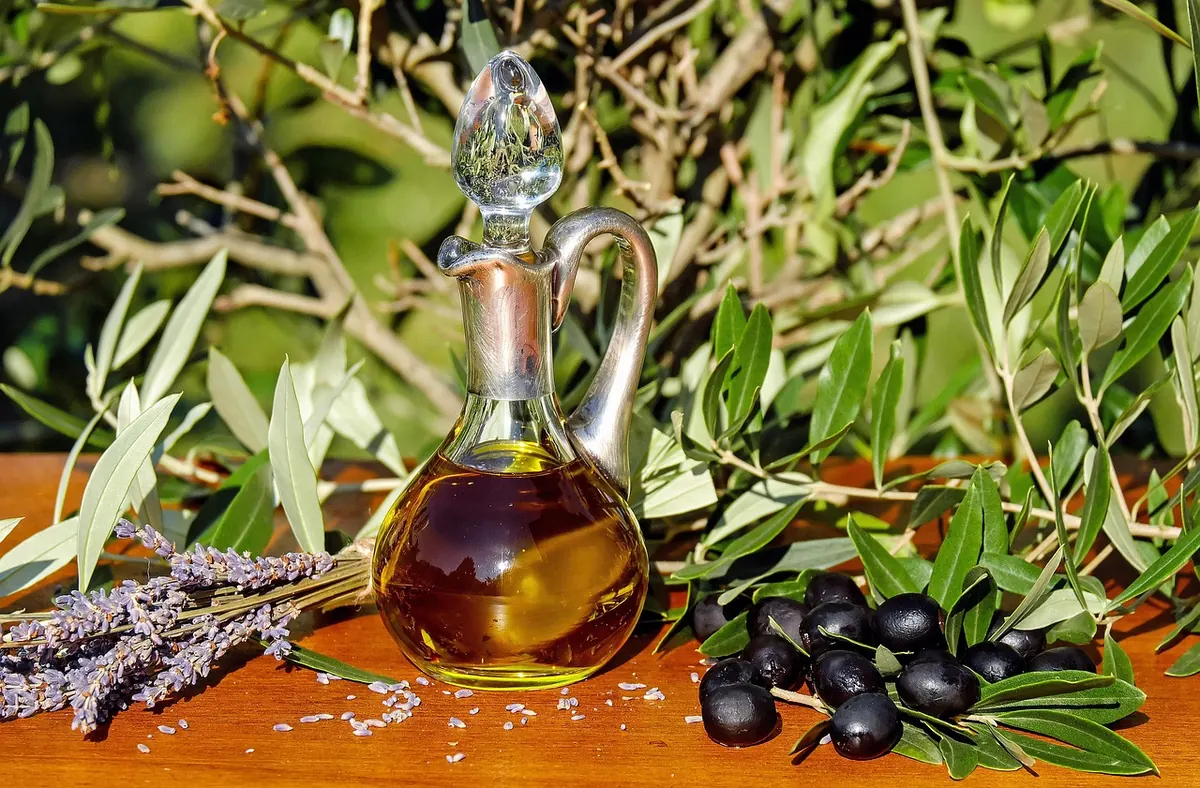
Three bottles stand on a wooden table at a small producers' market. All three are dark glass, all three carry a photograph of an olive grove, and all three say "extra virgin" on the front. One is described as cold-pressed, another as first cold pressing, the third only as "olio extravergine di oliva". They range from eight to twenty-two euros for the same volume. The labels, which look so informative, quietly refuse to answer the question you actually have: which one is better?
They refuse because most of the words on a front label are either legally defined terms with narrow meanings, or marketing phrases with almost none. Learning to separate the two takes about ten minutes, and it changes the way you buy. Here is how to read a local bottle with a bit more confidence.
Extra virgin is a grade, not a compliment
In Europe, "extra virgin" is a legal category defined by measurable criteria. The oil must come from olives alone, with no refining and no additives, and it must pass a chemical test and a sensory panel. Free acidity has to stay at or below 0.8 percent, and the peroxide value — a marker of oxidation — at or below 20 milliequivalents of oxygen per kilo. A trained tasting panel must also find no defects and at least a hint of fruitiness.
The grades below it are worth knowing, because they explain some of the cheaper bottles on the shelf:
- Virgin olive oil allows free acidity up to 2.0 percent. It is unrefined, but it may carry a mild defect that the panel tolerates.
- Lampante is oil too flawed to sell to consumers directly. It usually goes for refining.
- "Olive oil" — the plain label — is typically a blend of refined olive oil with a small percentage of virgin oil. It is perfectly edible, but it has none of the character of a good extra virgin.
So the first comparison is easy: extra virgin beats the other grades on paper. The harder part is comparing one extra virgin with another, because the word covers an enormous range, from a bland supermarket litre to a bottle with a fierce green bite that will not leave your throat for a minute.
What "cold-pressed" really tells you
Here is the part that surprises most people. Modern olive oil is rarely pressed at all. Most mills use continuous-cycle equipment that crushes the fruit, malaxes the paste, and separates oil from water and solids in a centrifuge. Nothing is squashed between mats under a hydraulic press, which is why the term "cold-pressed" is a leftover from an older technology.
What survives of the phrase is a temperature claim. European rules allow the word "cold" on a label when the paste stays below 27°C during extraction. Producers keep that promise because heat increases yield but flattens aroma and shortens shelf life — a warm extraction gives you more oil, less perfume.
Two consequences follow. First, "cold-pressed" is not a quality grade; an oil can be extracted cold and still be dull, badly stored or made from olives picked off the ground. Second, the phrase is often used alongside its near-twin, "first cold pressing", which distinguishes the oil from a second extraction of the leftover pomace. Both terms are legal, both are modest pieces of information. Useful, but not the answer.
The details on the back label that decide more
Turn the bottle around. In the small print you will usually find the things that matter far more than the front.
- Harvest date, not just a best-before date. Olive oil is a fresh product, closer to juice than to wine. A two-year best-before tells you nothing; a harvest of last November tells you plenty. Ask for the most recent one.
- Origin and mill. "Produced and bottled by" a named farm or frantoio is a different statement from "packed in Italy" or "blend of EU oils".
- Cultivar. A single variety — Frantoio, Leccino, Coratina, Ogliarola, Moraiolo — gives you a flavour reference. Blends can be excellent, but a named cultivar is easier to compare across producers.
- Bottle format. A 500 ml bottle opened and finished in a few weeks is usually a better purchase than a three-litre tin that sits half-full for a year. Oil begins to fade as soon as air and light reach it.
- Packaging. Dark glass or an opaque tin; a shop that stores bottles in a sunny window will undo the producer's work.
If a bottle offers none of this, that absence is information too.
Numbers on the label, and what they don't prove
Good small producers often print the acidity figure, sometimes the peroxide value, occasionally polyphenols. Acidity measures free fatty acids, which rise as fruit is damaged or waits too long before milling. It is a freshness indicator at harvest time — and a low number is genuinely good news.
It is not, however, a score. A 0.2 percent oil can taste tired; a 0.5 percent oil can be superb. Peroxide value, which is less often printed, tells you more about how the oil has been stored and whether it has begun to oxidise. Polyphenols, the compounds behind the peppery sting, vary widely by cultivar and ripeness and have no legal threshold, so a figure is only meaningful compared with other oils of the same variety and year.
Treat the numbers as one clue among several, and treat a missing harvest date as a bigger warning than an acidity decimal.
How to taste before you commit
Most Italian producers and specialist shops will let you taste. Accept. A few drops are enough to tell you more than any label.
- Pour a small amount into a glass or a paper cup and warm it with your hand for a moment.
- Smell it. You are looking for fresh, recognisable things: cut grass, green almond, artichoke, tomato leaf, sometimes a citrus edge. Aroma of hay, cardboard or old walnuts means it is fading.
- Sip a little and draw air over it, as if whistling softly.
- Notice the finish. A good oil often turns bitter and then peppery, catching the back of your throat. That catch is a sign of fresh polyphenols, not a fault.
Then taste the second bottle and compare. Two oils side by side will teach you more in thirty seconds than a page of description. Buy the one you want to eat, not the one with the better story.
Questions worth asking a local producer
Small producers generally like this conversation, because it separates them from a shelf of anonymous bottles. Ask when the olives were picked and how quickly they reached the mill — same-day milling is the point of pride for many small farms. Ask whether the oil is filtered or unfiltered; unfiltered oil is lively but ages faster and needs more care. Ask what they cook with it, and what they would not cook with it.
Ask, too, how the olives were harvested. Nets under the trees and hand-picking usually mean fruit that arrived intact; mechanical collection is not automatically worse, but it does tell you something about the scale of the operation. And ask about quantities: a producer who sells out by spring is a good sign that the oil is moving.
A word on health. Olive oil is a fat and belongs in a balanced diet; the popular claims about it are best discussed with a doctor or a registered dietitian rather than settled at a market stall, particularly if you have a medical condition or take medication.
A short checklist for your next bottle
Compare like with like: two extra virgins, same year, ideally tasted side by side. Check the harvest date first, the cultivar second, the packaging third, and the price per litre fourth. Read "cold-pressed" as a temperature fact rather than a medal. Expect the peppery catch at the back of your throat, and be slightly suspicious of a bottle that has none. Then take it home, keep it in a cupboard away from the hob and the window, put the cap on properly, and use it within a few months — on bread, on beans, over a plate of grilled vegetables.
Good local oil is not a luxury object to be saved. It is a fresh seasonal product made in small quantities by people whose names are usually on the back of the bottle. Buy it that way, and comparing the next three bottles becomes a pleasure rather than a puzzle.
Photo: Couleur / Pixabay
You Might Also Like
A practical guide to building your own day route through local markets, small producers and craft workshops, with realistic timing, tasting tips and a schedule that survives real life.
Farmers markets win on freshness and producer contact; specialty shops win on variety, convenience and curation. Here is how to choose the right source for each purchase.